


Popular Search

How To Earn Extra Income By Packaging And Labeling Various E-commerce Products At Home

Ready to turn your free time at home into a flexible, low-effort side income stream? In this guide, you'll discover how to start packaging and labeling e-commerce products from your own space, even if you have no prior experience. You'll learn how to find legitimate gigs, complete tasks correctly, and build a steady stream of side earnings.
Why should you care about this side hustle option? Packaging and labeling work offers flexible scheduling, no need for specialized skills, and the ability to work around your existing commitments. But it's important to understand how to avoid scams, meet client standards, and maximize your earnings to make the most of this opportunity.
Why This Side Hustle Is Worth Your Time
- Low entry barrier: You don't need special certifications or expensive equipment to start. Most clients only require basic organizational skills, a clean workspace, and access to common shipping supplies that they often provide.
- Flexible scheduling: You can pick up gigs and complete tasks whenever you have free time, whether that's early mornings, evenings, or weekends. This makes it a perfect fit for students, stay-at-home caregivers, or anyone with a full-time job looking for extra cash.
- Transferable skills: The work helps you build skills in inventory management, quality control, and shipping logistics that can translate to other administrative or e-commerce roles later. It also looks great on a resume if you are interested in retail or supply chain careers.
- Steady demand: E-commerce sales continue to grow every year, so small and medium sellers constantly need help with packaging and labeling tasks to keep up with order volumes. This means you can potentially find consistent work throughout the year.
- No commute required: All work is done from your home, so you save money on gas, public transport fares, and work attire costs. You also avoid wasting time traveling to and from a physical workplace.
Step-by-Step Guide to Starting Your Home Packaging Side Hustle
Step 1: Set up a dedicated, clean workspace
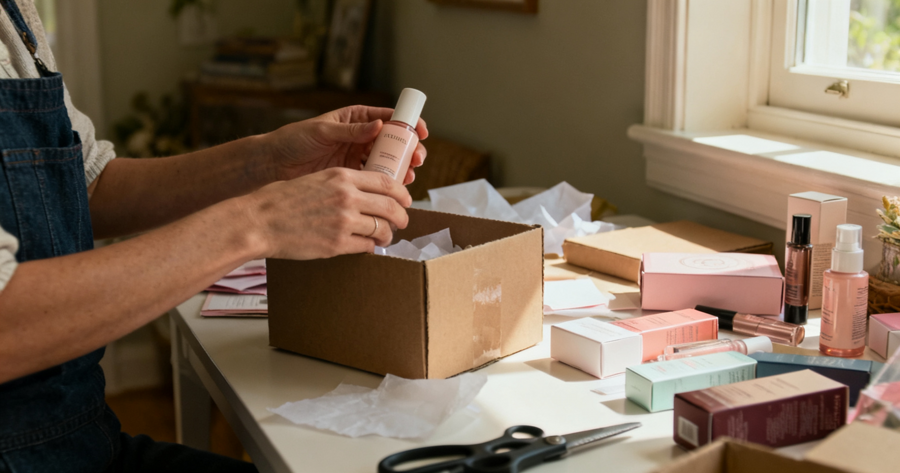
Find a flat, clutter-free area in your home like a desk, table, or unused corner of a room where you can sort products and packaging without interruptions. Make sure the space is well-lit and free of dust, food, or pets that could damage products. You only need basic supplies like a pair of scissors, tape dispenser, and permanent marker to start, and many clients will provide additional materials.
Common mistake to avoid: Don't use areas near high traffic or food preparation spaces, as spills or damage to products can lead to lost pay or terminated client contracts.
Step 2: Research legitimate gig platforms and local opportunities
Sign up for reputable freelance platforms that list home packaging gigs, and also reach out to small local e-commerce sellers on social media or local business directories. Always verify client legitimacy by checking reviews, asking for references, and avoiding any opportunities that ask you to pay upfront fees for supplies or training. Many small local sellers prefer working with people in their area to cut down on shipping costs for materials.
Pro tip: Start with short, low-commitment gigs first to build your reputation before taking on larger, long-term projects.
Step 3: Complete onboarding and clarify client requirements
Once you land a gig, ask the client for clear, written instructions about packaging specifications, labeling placement, quality checks, and shipping deadlines. Confirm details like which products go in which boxes, what label information is required, and how to report damaged items. Take notes during onboarding so you don't have to ask repeat questions later, which helps build trust with the client.
Common mistake to avoid: Don't assume you know the requirements, as different clients may have very different standards for their brand packaging.
Step 4: Organize your workflow for efficiency
Sort products, packaging materials, and labels in separate bins or piles before you start working to avoid mixing up orders. Batch similar tasks, like labeling all boxes first then packing products, to speed up your process and reduce errors. Track how long it takes you to complete each order so you can estimate your hourly earnings and pick gigs that pay the best for your time.
Pro tip: Listen to music or podcasts while you work to make repetitive tasks more enjoyable and stay focused.
Step 5: Conduct quality checks before submitting completed work
Double-check each package to make sure the correct product is inside, the label has the right address and order information, and the box is sealed securely. If the client requires photos of finished packages, take clear, well-lit shots of each one to send for approval. Catching mistakes before you send packages back to the client prevents returns and negative feedback on your work.
Step 6: Submit work and request feedback for future opportunities
Send completed packages back to the client according to their preferred shipping method, and send a confirmation message once they are in transit. Ask the client for feedback on your work, whether there are any areas you can improve, and if they have upcoming gigs you can sign up for. Positive feedback helps you build a good reputation and get access to higher-paying gigs over time.
Challenges to Be Aware Of
- Scam risk: Many fake gig listings ask for upfront payments for starter kits or supplies, which are almost always scams. Always research clients thoroughly, never send money to start a gig, and avoid opportunities that promise unusually high pay for very little work. Stick to well-reviewed platforms and local sellers you can verify through business directories to reduce this risk.
- Variable income: Gig availability can fluctuate based on seasonality, holidays, and client order volumes, so your earnings may not be consistent every month. You can mitigate this by signing up with multiple clients and platforms so you have backup work options when one client has no tasks available.
- Physical fatigue: Spending long hours sitting, standing, or doing repetitive motions like sealing boxes or applying labels can lead to soreness or fatigue. Take 5 to 10 minute breaks every hour, stretch regularly, and adjust your workspace to be ergonomic to reduce strain on your body.
- Strict quality requirements: Clients often have very specific packaging and labeling rules to meet shipping carrier standards and brand expectations. Small mistakes like misaligned labels or incorrect product placement can lead to rejected work and no pay for the time you spent. Always double-check your work against the client's instructions before submitting to avoid this issue.
Conclusion
You now have the foundation to start earning extra income by packaging and labeling e-commerce products from home. You know how to find legitimate gigs, set up your workspace, complete tasks correctly, and build positive relationships with clients.
This side hustle offers flexible, low-barrier earning opportunities that fit around your existing schedule, and by mastering the process, you're positioning yourself for steady extra income and valuable transferable skills. It can even grow into a larger small business if you take on more clients over time.
Don't wait for the perfect moment. Start researching legitimate gig platforms and reaching out to local e-commerce sellers today. Even a few small gigs a week can add up to meaningful extra income for your goals, from savings to small luxuries.
FAQ
How long does it take to start earning money with this side hustle?
Most people can find their first gig within one to two weeks if they apply to multiple listings and respond to clients quickly. The first few gigs may take longer to complete as you learn the process, but you can speed up as you gain experience. Start with small, short gigs to build your portfolio and get paid faster.
Do I need any special equipment or supplies to start?
You only need basic items like a clean workspace, scissors, a tape dispenser, and permanent markers to get started. Most clients will provide all product packaging materials, labels, and pre-paid shipping labels for returning completed orders. Some higher-volume gigs may require a printer for shipping labels, which you can purchase affordably once you have steady earnings.
What's the best way to maximize my hourly earnings for this work?
Focus on batching similar tasks to reduce time spent switching between different steps, and track your time to identify which types of gigs pay the most per hour. Prioritize repeat clients with steady work, as you will get faster at their specific requirements over time. You can also negotiate higher pay once you have a track record of reliable, high-quality work with a client.
Can I turn this side hustle into a full-time income source?
It is possible to scale this work into a full-time income if you take on multiple regular clients and hire additional help for larger orders as you grow. Many people start with small side gigs and eventually launch their own small fulfillment service for local e-commerce sellers. Start small, build your reputation, and gradually take on more work as you feel comfortable with the process.



Most Read


How To Brew The Perfect Cup Of Pour-Over Coffee At Home

How To Grow A Garden With Stealer Script: A Complete Player's Guide

How To Explore And Thrive In 99 Nights In The Forest New Map

How To Replicate Popular Bloggers And Rooms In Toca World

Test How Many People Have The Same Name As You?

Zodiac Love Styles: How Each Sign Shows Love?
Subscribe For New Quizzes



About us | Privacy Policy | Data Removal | Feedback
Copyright © 2019-2026 | All rights reserved.