


Popular Search

How To Use A Foam Roller To Relieve Muscle Soreness After A Workout

Ready to say goodbye to stiff, achy muscles after your workout sessions? In this guide, you'll discover simple, actionable foam rolling techniques to reduce post-exercise soreness and speed up your recovery process. You'll walk away knowing exactly how to target every major muscle group safely and effectively.
Why should you care about proper foam rolling technique? Poor form can lead to unnecessary discomfort or even minor injuries, so learning the right approach helps you get the most benefit with minimal risk. But it's important to understand the core benefits, step-by-step process, and common pitfalls before you start.
Why Using a Foam Roller for Post-Workout Muscle Soreness Is Worth Your Time
- Low-cost, accessible recovery tool: Foam rollers are relatively inexpensive and easy to store at home, so you don't need a gym membership to incorporate this recovery practice into your routine. Most options work for all fitness levels, so you can start using one no matter how long you've been working out.
- Reduces muscle tightness and improves mobility: Regular foam rolling breaks up tight muscle knots and increases your range of motion, which can lower your risk of injury during future workouts. This benefit is especially helpful if you sit for long hours during the workday, as it counteracts the stiffness from prolonged sitting.
- Speeds up post-workout recovery time: Foam rolling increases blood flow to sore muscle tissue, which helps your body repair micro-tears from exercise faster. You may notice less soreness 24 to 48 hours after a tough workout when you add this step to your routine.
- No special skills required to get started: You don't need any formal training to use a foam roller safely, as long as you follow basic form guidelines. This makes it a great recovery option for casual gym goers and competitive athletes alike.
Step-by-Step Guide to Using a Foam Roller to Relieve Muscle Soreness After a Workout
Step 1: Gather your supplies and warm up lightly
First, grab a foam roller with a density that matches your comfort level — softer options are better for beginners, while firmer rollers work well for people with more experience. Spend 2 to 3 minutes doing light dynamic stretches, like arm circles or leg swings, to get your blood flowing before you start rolling. Common mistake to avoid: Don't start rolling on completely cold muscles, as this can cause extra discomfort.
Step 2: Position the roller under the target muscle group
Lie or sit on the floor and place the foam roller directly under the sore muscle group you want to target, such as your quads, hamstrings, upper back, or calves. Support your body weight with your hands or other limbs to control how much pressure you apply to the sore area. Pro tip: Start with lighter pressure and gradually increase intensity as your muscles relax.
Step 3: Roll slowly along the length of the muscle
Roll slowly along the full length of the muscle, moving no faster than 1 inch per second to give the tissue time to release. Spend 30 to 60 seconds on each muscle group, pausing briefly if you find a particularly tender spot. Common mistake to avoid: Don't roll directly over joints, bones, or areas with acute pain, as this can cause damage.
Step 4: Hold on tender spots for 20 to 30 seconds
When you find a tight, tender spot (often called a trigger point), stop rolling and hold gentle pressure on that spot for 20 to 30 seconds. You may feel a slight discomfort, but it should not be sharp or unbearable. Breathe deeply while you hold the pressure to help the muscle relax faster.
Step 5: Move to the next muscle group and repeat the process
Once you've finished working on one muscle group, reposition your body to target the next sore area. Common muscle groups to focus on after a workout include quads, hamstrings, glutes, calves, upper back, and latissimus dorsi. Skip any areas that feel painful or uncomfortable to roll, and adjust your pressure as needed for each group.
Step 6: Finish with light static stretches
After you've rolled all your target muscle groups, spend 5 to 10 minutes doing light static stretches for each area you worked on. Static stretches involve holding a gentle stretch position for 20 to 30 seconds, which helps lengthen the muscle tissue and improves flexibility. Pro tip: Drink a glass of water after your foam rolling session to help your body flush out metabolic waste from the muscle tissue.
Challenges to Be Aware Of
- Initial discomfort for first-time users: If you've never used a foam roller before, you may feel mild discomfort during your first few sessions, especially if you have very tight muscles. This discomfort usually fades after 2 to 3 sessions as your muscles get used to the pressure. Start with a softer foam roller and lighter pressure to make the experience more comfortable.
- Risk of injury from improper form: Rolling directly over joints, bones, or areas of acute injury can cause bruising, increased pain, or even minor tissue damage. If you have pre-existing injuries or chronic pain conditions, talk to your doctor or physical therapist before starting a foam rolling routine. Avoid rolling on areas with sharp, stabbing pain, and stop immediately if you feel any unusual discomfort.
- Consistency requirements for long-term benefits: You may not see significant relief from muscle soreness after just one foam rolling session. Most people notice consistent benefits after adding foam rolling to their post-workout routine 2 to 3 times per week for 2 to 3 weeks. Set a simple reminder after your workouts to help you build this habit over time.
Conclusion
You now have the foundation to start using a foam roller to relieve post-workout muscle soreness safely and effectively. You know how to target each major muscle group, adjust your pressure for comfort, and avoid common mistakes that can lead to injury.
Using a foam roller for post-workout recovery offers a simple, low-cost way to reduce soreness, improve mobility, and lower your risk of future exercise-related injuries. By mastering this simple practice, you're positioning yourself for more comfortable workouts and faster progress toward your fitness goals.
Don't wait for the perfect moment. Start with 5 minutes of foam rolling after your next workout. You may be surprised by how much less sore you feel the next day, and small, consistent sessions will build into big benefits over time.
FAQ
How long does it take to see results from foam rolling for post-workout soreness?
Most people notice a mild reduction in muscle tightness immediately after their first foam rolling session. More significant reductions in 24 to 48 hour post-workout soreness usually become apparent after 2 to 3 weeks of consistent use 2 to 3 times per week. Stick to a regular routine to get the most long-term benefits.
Do I need any special equipment to start foam rolling for post-workout soreness?
All you need is a basic foam roller, which you can find at most sports stores or online retailers for a relatively low cost. Beginners usually do best with a medium-density or soft foam roller, as firmer rollers can cause too much discomfort for first-time users. You don't need any other special equipment to get started.
What's the best way to target lower back soreness with a foam roller?
For lower back soreness, lie on the roller with it positioned under your upper back first, and slowly roll down to just above your hip bones. Avoid rolling directly on your lower spine, as this can cause unnecessary pressure on your vertebrae. You can also place a small pillow under your head for extra support if needed, and stop if you feel any sharp pain.
Can I use foam rolling as part of my pre-workout routine too?
Yes, you can use lighter, faster foam rolling before your workout to increase blood flow and improve mobility before you exercise. Pre-workout foam rolling sessions usually only take 3 to 5 minutes, and you don't need to hold on tender spots for as long as you do during post-workout sessions. Try adding a short pre-workout rolling routine to see if it improves your performance during exercise.


RECOMMEND ARTICLES


How To Organize A Small Pantry On A Tight Budget: A Practical Step-by-Step Guide
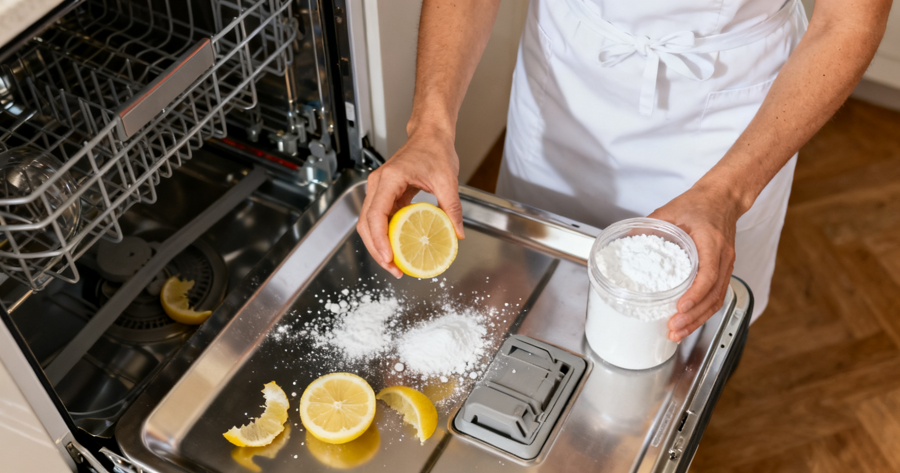
How To Deep Clean Your Dishwasher Using Natural Ingredients

How To Hang Heavy Pictures Without Damaging Your Walls: Complete Step-by-Step Guide

How To Train Your Dog To Sit And Stay In 10 Minutes A Day: Simple Beginner Guide

How To Start A Running Habit When You Hate Running: Practical Guide For Beginners

How To Identify And Treat Common Pests In Your Vegetable Garden

How To Declutter Your Entire Closet In One Afternoon: A Practical Step-by-Step Guide
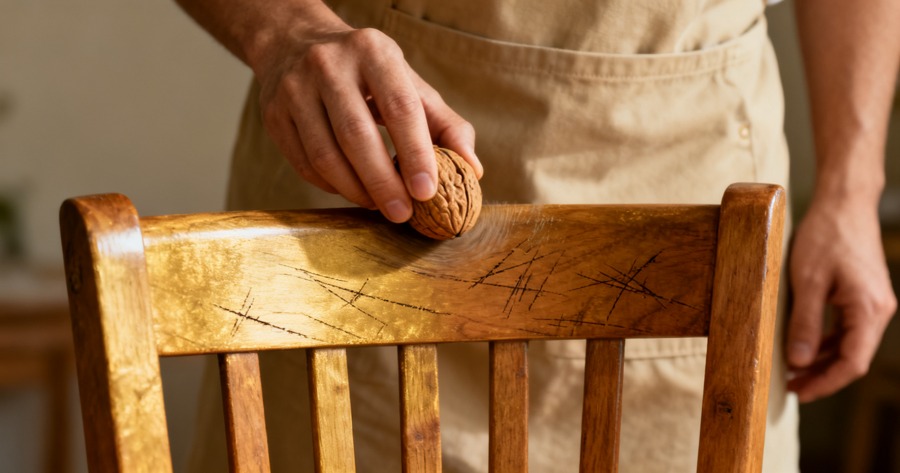
How To Restore Scratched Wood Furniture Using A Walnut: Easy Step-by-Step Guide

How To Paint A Room Like A Professional: A Step-by-Step Guide
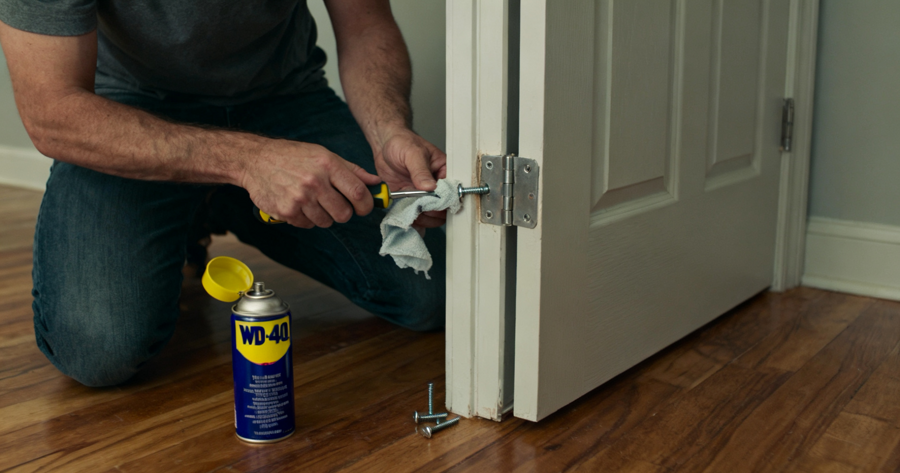
How To Fix A Squeaky Door Hinge With Common Household Items
Most Read
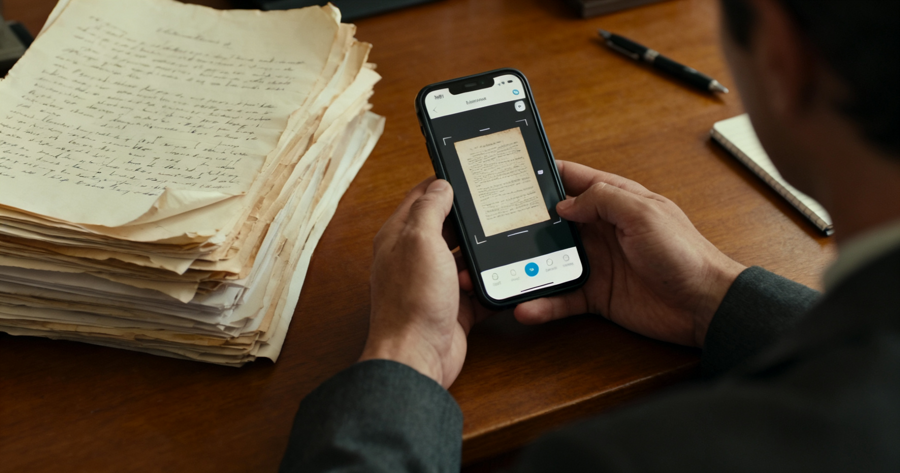
How To Digitize Your Old Paper Documents Using Only Your Smartphone

How To Find People Who Are Secretly Interested In You: A Practical Guide

FHA HUD Program: Making Homeownership More Accessible

How To Beat Any Demon Instantly In Geometry Dash: A Practical Guide For Players

How To Get A Free House In Sims 4 Safely

How To Potentially Earn Consistent In-Game Rewards In Blox Fruits
Subscribe For New Quizzes



About us | Privacy Policy | Data Removal | Feedback
Copyright © 2019-2026 | All rights reserved.